
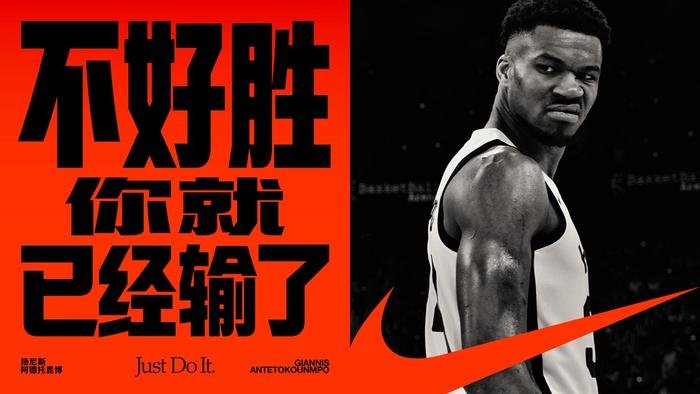
Introduction to Nike’s Influence in the NBA
Since its inception, Nike has played a pivotal role in shaping basketball culture, especially through its enduring partnership with the National Basketball Association (NBA). This collaboration began in the mid-1980s, a time when basketball transcended sports, becoming an essential component of youth culture and urban fashion. As a result, Nike aimed to establish itself not only as an athletic brand but also as a lifestyle brand, resonating deeply with basketball enthusiasts and the general public alike.
Over the years, Nike basketball shoes have evolved significantly, transitioning from simple athletic footwear to technologically advanced products that prioritize performance, comfort, and style. The introduction of innovations such as Air cushioning and Flyknit technology has set a benchmark for competitors, allowing athletes to maximize their potential on the court. With each new design, Nike reaffirms its commitment to enhancing the playing experience for athletes—a value that resonates with both players and consumers.
Athlete endorsements have played a crucial role in this evolution. By aligning with NBA superstars such as Michael Jordan, LeBron James, and Kobe Bryant, Nike has successfully tied its brand identity to some of the most influential figures in sports history. These endorsements have not only elevated the profiles of these athletes but have also significantly boosted Nike’s visibility and sales in the highly competitive sports footwear market. Signature lines, collaborations, and limited editions have made it possible for fans to connect with their favorite players, further solidifying Nike’s status in the basketball community.
This historical context provides a framework to understand how certain NBA stars have not only propelled Nike’s success but also influenced basketball culture and fashion. The following sections will delve into the specific players who have left an indelible mark on Nike’s shoe sales, illustrating the synergy between athlete performance, brand promotion, and consumer engagement.
Top NBA Stars and Their Signature Shoes
In the realm of sports footwear, Nike has established itself as a dominant player through its partnerships with NBA stars. These athletes not only bring athletic prowess to the court but also influence sneaker fashion and sales significantly. One of the most notable figures is LeBron James, whose signature sneakers, the LeBron series, have consistently ranked among the top-selling models. The LeBron 19, for instance, combines innovative cushioning technology with a stylish aesthetic, appealing to both athletes and sneaker enthusiasts alike.
Another prolific contributor to Nike’s success in the basketball shoe market is Kevin Durant. The KD series showcases a mix of performance and elegance, with the KD 15 standing out for its responsive cushioning and lightweight construction. This model has garnered attention not just for its on-court performance but also for its sleek design, making it a favorite among fans. Durant’s marketability stems from his versatility as a player and his personal story, which resonates with a wide audience.
Stephen Curry’s collaboration with Nike has also yielded significant success. Although he initially started with Under Armour, his eventual return to the Nike brand with the launch of the Curry Flow series has made waves. The Curry 9 features a unique traction design that enhances grip during gameplay, echoing Curry’s fast-paced playing style. His popularity among fans, coupled with the shoe’s groundbreaking technology, makes it a noteworthy contender in Nike’s basketball lineup.
Furthermore, the cultural impact of these sneakers extends beyond the basketball court. Players like Kobe Bryant have left a lasting legacy through their signature lines, with the Kobe series still showing impressive sales figures post-retirement. The design elements and performance features across these shoes cater to a wide demographic, reflecting off-court styles while integrating cutting-edge athletic performance. Overall, the influence of top NBA stars on Nike shoe sales is a testament to their marketability and the sneakers’ revered status among fans and consumers alike.
The Role of Marketing and Social Media in Shoe Sales
Nike’s marketing strategies for their basketball shoes are pivotal to their success in the competitive sneaker market. By leveraging the influence of NBA stars, Nike has successfully integrated social media platforms into their promotional efforts. Today, athletes are not just sports icons; they are also trendsetters capable of swaying consumer opinions. NBA players, with their dedicated fan bases, amplify Nike’s marketing messages through their social media channels, which include platforms like Instagram, Twitter, and TikTok. These platforms not only enable players to showcase their signature shoe lines but also engage their followers directly, creating a sense of community around the brand.
The sneaker culture has evolved significantly, and Nike has tapped into this shift by creating limited-edition releases that generate excitement among consumers. Such releases often feature unique designs and collaborations with popular celebrities, enhancing the desirability of their basketball shoes. These partnerships strategically position the brand within broader cultural contexts, making Nike footwear more than just athletic gear; they become lifestyle statements that resonate with consumers on various levels. This alignment with celebrity status amplifies the appeal of Nike basketball shoes and helps to scale sales figures.
Additionally, the anticipation surrounding these limited-edition drops generates buzz and urgency, compelling fans and collectors to act swiftly. The marketing team at Nike has also embraced influencer partnerships, where prominent figures in fashion and entertainment wear and promote these shoes, further elevating the brand’s visibility. The direct correlation between effective marketing tactics and sales outcomes underscores the critical role these strategies play in defining Nike’s success in the basketball shoe market. Through strategic positioning, leveraging athlete influence, and engaging with sneaker enthusiasts, Nike has solidified its presence in this highly lucrative segment.
Future Trends in Nike Basketball Shoe Sales
As we look ahead to the future of Nike basketball shoe sales, several emerging trends are poised to reshape the landscape. Among these, the ascent of new NBA stars presents a significant opportunity for Nike to expand its market share through fresh collaborations and signature lines. Players such as Luka Dončić, Ja Morant, and Zion Williamson have already made their mark in the league, and their growing popularity suggests that Nike may invest in tailored signature shoes that capitalize on their individual styles and fan engagement.
The role of established athletes cannot be overstated. Icons such as LeBron James and Kevin Durant have set a precedent for signature lines that resonate with fans and collectors alike. This established success serves as a foundation for Nike to launch innovative designs and marketing strategies that appeal to both new stars and their respective audiences. Additionally, as the NBA continues to evolve with younger talents capturing attention, Nike is likely to be responsive in aligning their product offerings with these players.
Another crucial aspect that will influence Nike basketball shoe sales is the changing consumer behavior towards sportswear. Increasingly, buyers are becoming more conscientious about sustainability. In response, Nike is anticipated to enhance its sustainable product lines, focusing on eco-friendly materials and production practices. As consumers prioritize brands that demonstrate environmental responsibility, Nike can leverage this trend by showcasing its commitment to sustainability in its basketball shoe offerings.
Technological advancements in shoe design are also expected to play a prominent role. With the integration of smart technology and performance-enhancing materials, the next generation of Nike basketball shoes could feature customizable options for athletes, allowing them to optimize their performance. Such innovations will not only attract dedicated basketball enthusiasts but may also appeal to a broader demographic seeking high-performance footwear.
In conclusion, the future of Nike basketball shoe sales seems promising, fuelled by the emergence of new talent, a shift towards sustainability, and technological advancements that resonate with modern consumers.