
The Cultural Significance of Nicknames in China
In Chinese culture, nicknames hold a prominent role, often going beyond mere informal labels to embody layers of significance. This phenomenon is particularly evident in the realms of sports and entertainment, where nicknames serve as a bridge between fans and their idols. Within this context, a nickname often symbolizes respect and admiration, reflecting the esteem in which a fan holds their chosen figure.
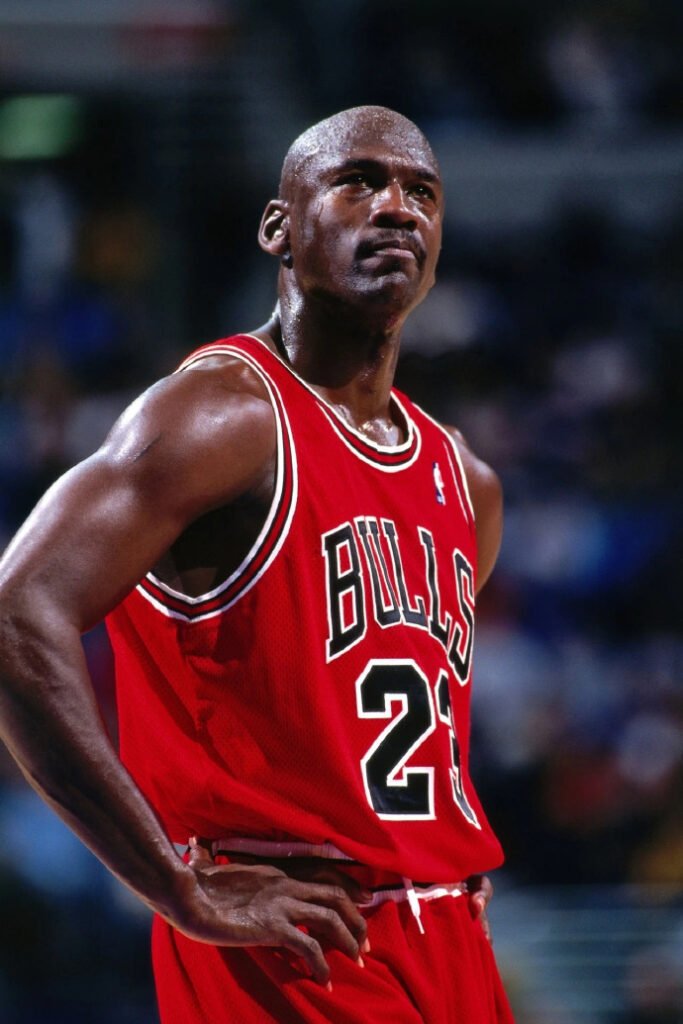
For instance, the name ‘Master Joe,’ used by Chinese fans for NBA legend Michael Jordan, is indicative of such reverence. The usage of ‘Master’ conveys a high level of respect, suggesting not only Jordan’s excellence on the basketball court but also his cultural impact beyond the sport. This nickname encapsulates how deeply fans connect with their sports heroes, seeing them as not just athletes, but as personal role models and icons. This relational dynamic is significant, as it reflects the emotional investment that fans place into athletes’ careers.
Moreover, fans in China often create colloquial names that resonate with personal experiences or collective emotions. These affectionate terms foster a sense of belonging and community among supporters. They offer a way for fans to express their connection to players, fueling discussions and interactions that enhance the overall enjoyment of the sport. This practice is commonly seen during events such as games, where chants or cheers often incorporate these nicknames, amplifying the experience for both participants and spectators.
The cultural importance of nicknames in China extends beyond admiration; they denote an understanding of shared values, aspirations, and even humor. In this way, the nickname ‘Master Joe‘ encapsulates the intersections of respect, connection, and adoration that define the relationship between Michael Jordan and his Chinese fans, setting the stage for a deeper exploration into his influence and legacy in China.
The Rise of Michael Jordan in China
Michael Jordan’s ascent to the pinnacle of basketball stardom occurred during a transformative era for the sport, particularly in China, where the NBA began to capture the attention and passion of the Chinese populace. The late 1990s and early 2000s marked a significant turning point, as Jordan not only dominated the courts but also became a cultural phenomenon that transcended sports. His incredible athleticism, competitive spirit, and unparalleled achievements with the Chicago Bulls set a standard that resonated deeply with fans worldwide, but especially so in China.
One of the pivotal factors in Jordan’s rise in China was his marketability. Through strategic endorsements with global brands, notably Nike, he helped popularize basketball footwear and apparel, leading to the establishment of the iconic Air Jordan brand. The success of these products coincided with China’s economic opening, allowing many young fans to express their allegiance through Jordan’s gear. As the NBA began broadcasting games in China, the sight of Jordan’s trademark dunk and iconic jersey became synonymous with the burgeoning basketball culture in the country.
Moreover, Jordan’s influence extended beyond merchandise. He became a symbol of aspiration and excellence for millions of Chinese fans seeking to improve their skills and pursue their own basketball dreams. Various youth leagues and training camps launched throughout the country, often drawing inspiration from Jordan’s work ethic and results-oriented mindset. Young players admired and emulated his playing style, viewing him not just as an athlete but also as a mentor through his televised games and endorsements.
The combination of athletic prowess, strategic marketing, and inspirational messaging solidified Michael Jordan’s status in China. This foundation paved the way for the affectionate nickname “Master Joe,” illustrating his enduring legacy and the profound impact he had on both basketball and the cultural landscape in China.
The Meaning Behind ‘Master Joe‘ and Its Usage
The nickname ‘Master Joe’ serves as a significant indicator of respect and admiration within Chinese culture, specifically towards NBA star Michael Jordan. The term ‘Master’ in this context is a transliteration of the Chinese word “师” (shī), which denotes someone who is a master or highly skilled in their respective field. By combining ‘Master’ with ‘Joe,’ a transliteration of ‘Jordan,’ fans and media create a unique moniker that underscores Jordan’s legendary status in basketball.
In Chinese media coverage, the moniker ‘Master Joe’ is prevalent, often appearing in articles, broadcasts, and discussions surrounding basketball. This consistent usage cements Jordan’s legacy within the realm of sports culture, highlighting how he is immortalized within the hearts of his admirers. The employment of such a title reveals the cultural nuances for many fans who view the NBA not merely as entertainment but as a significant aspect of their lifestyle.
In essence, calling Michael Jordan ‘Master Joe’ serves as a tribute, acknowledging his unparalleled skills and contributions to basketball and indicating a cultural reverence that intersects sports and national identity.
Comparative Nicknames of Other NBA Stars and Their Significance
Nicknames in the realm of sports often convey the esteem and admiration fans have for their heroes. In the context of the NBA, various athletes have earned distinct monikers that reflect their skills, personalities, or impact on the game, particularly within the Chinese fan base. For instance, Kobe Bryant is known as “Black Mamba,” a name that speaks to his lethal precision on the court and his fierce competitive nature. This nickname is revered in China, where Bryant’s work ethic and dedication are held in high regard, similar to the respect bestowed upon Michael Jordan, affectionately referred to as “Master Joe.”
Another significant nickname is for LeBron James, who is often called “King James” in both the NBA and China. This title indicates his status as a dominant force in basketball, but it also highlights the regal connotations associated with his talent and influence. While “King James” implies a royal approach to basketball, “Master Joe” denotes a sense of mastery and expertise that transcends the sport. Fans demonstrate their admiration through these nicknames, which encapsulate the legacy and impact of these athletes on global basketball culture.
Moreover, Yao Ming, a prominent figure in bridging Chinese culture with the NBA, is affectionately referred to as “Yao Da,” meaning “Big Yao” in Mandarin. This nickname honors Yao’s height and stature but also reflects the deep connection he fostered between American basketball and Chinese audiences. Each of these nicknames serves a unique purpose, embodying cultural values, basketball skills, and the emotional connection fans have to these athletes. Recognizing these different titles allows for a broader understanding of how admiration is conveyed in Chinese basketball culture, further emphasizing why “Master Joe” holds particular significance among fans of Michael Jordan.