
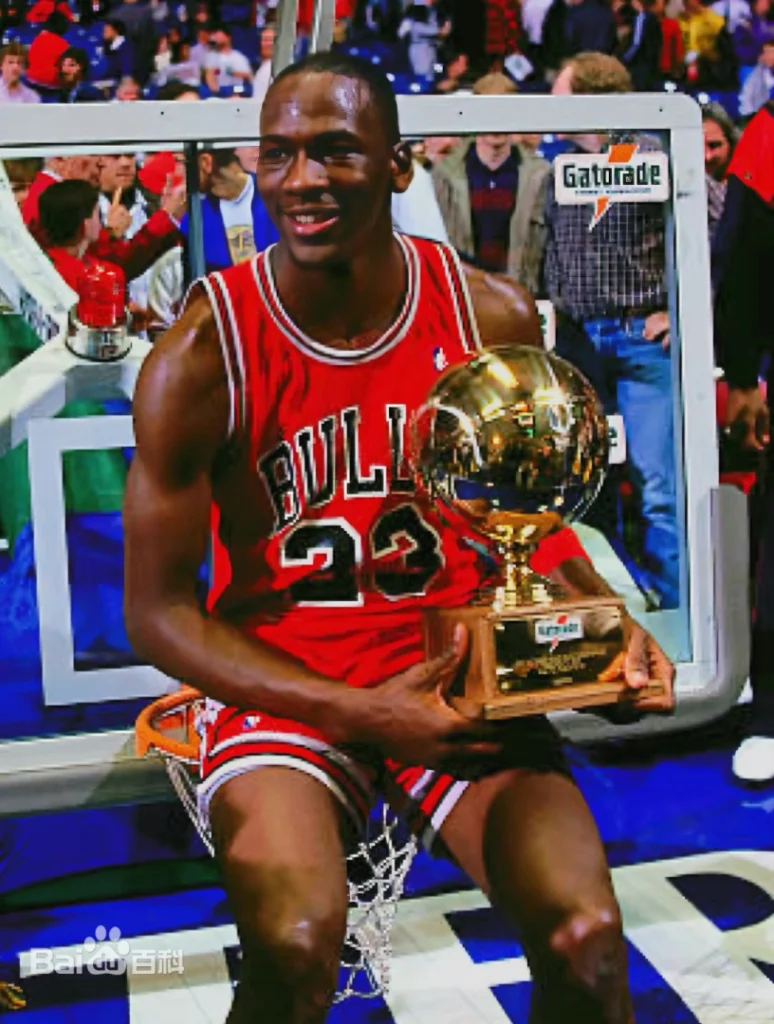
The Origins of the Nike and Michael Jordan Collaboration
The collaboration between Nike and Michael Jordan emerged during a transformative era in the mid-1980s for both the sports and fashion industries. At this time, basketball was rapidly ascending in popularity, and Michael Jordan was on the cusp of becoming an iconic athlete. After being drafted by the Chicago Bulls in 1984, Jordan’s exceptional talent quickly garnered attention, making him a promising figure for a burgeoning sports market. Nike, having established its brand primarily in running shoes, was eager to expand its footprint in the basketball segment, which was then under the dominance of Converse and Adidas.
In 1984, Nike made a strategic decision to sign Michael Jordan to a multi-million dollar endorsement deal, a move that was unprecedented at the time for a rookie player. This partnership raised eyebrows within the industry, considering the financial risks involved in investing in an unproven athlete. However, Nike recognized Jordan’s marketability and athletic prowess as key factors that could propel the brand forward. Together, they set out to create a line of basketball sneakers that embodied Jordan’s style on and off the court.
The birth of the Air Jordan 1 in 1985 was a seminal moment that redefined basketball footwear. Initially met with skepticism from the NBA due to its bold design, which violated the league’s uniform policy, the Air Jordan 1 faced its share of challenges. However, the publicity garnered from Jordan’s refusal to conform and the subsequent fines he incurred only fueled public interest. The sneaker not only became a fashion statement but also a symbol of rebellion, cementing Jordan’s legacy and Nike’s innovative approach in the sneaker market. Thus, the foundation was laid for a partnership that would intertwine sports, culture, and fashion for decades to come.
The Impact of Air Jordan on Basketball and Culture
The launch of the Air Jordan line significantly transformed the relationship between basketball and popular culture, initiating a new era characterized by the intertwining of sports and lifestyle. The debut of the Air Jordan 1 in 1985 was met with controversy, as the NBA deemed the sneakers non-compliant with league regulations due to their vibrant color scheme. This resulted in a ban, which inadvertently fueled their desirability and created a buzz that elevated the brand’s profile. Michael Jordan’s willingness to defy convention not only solidified his image as a rebel but also showcased the potential of basketball shoes as a form of self-expression.
Beyond the court, the Air Jordan line became a phenomenon that transcended athletics, with influence seeped deeply into the domains of fashion and music. The iconic silhouette of Air Jordans was soon spotted on celebrities, musicians, and in films, cementing their status as cultural symbols. This crossover appeal introduced a unique synergy between sports and streetwear, whereby owning a pair of Air Jordans became a badge of honor among fans and fashion enthusiasts alike. The sneakers played a crucial role in defining hip-hop culture of the 1980s and 1990s, with artists frequently referencing the brand in their lyrics and showcasing the shoes in music videos.
Moreover, the emergence of sneaker culture owes much to the Air Jordan franchise. Collectors and enthusiasts began constructing communities centered around the admiration of sneakers, transforming the buying and selling process into a dedicated subculture. Michael Jordan himself evolved into a cultural icon, inspiring countless athletes and fans who aspired to emulate his skill, style, and success. His influence is seen in the continuous hype surrounding each new release, fostering a culture that celebrates both nostalgia and innovation. The marriage of athletics and fashion, seen through the lens of the Air Jordans, not only redefined basketball shoes but also left an indelible mark on the broader cultural landscape.
The Evolution of the Nike-Michael Jordan Brand
The partnership between Nike and Michael Jordan has transcended traditional sports branding, setting a precedent in marketing and product innovation. Initiating in 1984 with the introduction of the Air Jordan 1, the collaboration quickly gained traction. Initially met with skepticism, the brand’s unique design and marketing strategies, particularly the iconic “Jumpman” logo, soon captivated the attention of basketball enthusiasts and sneaker aficionados alike.
As the Air Jordan sneaker line evolved, Nike’s innovative marketing campaigns played a pivotal role in establishing Jordan not just as a basketball player, but as a cultural icon. The subsequent iterations of the Air Jordan series, including the Air Jordan 3, 11, and 15, showcased cutting-edge technology and design elements, ensuring each release resonated with the ever-changing tastes of consumers. Nike strategically harnessed Jordan’s soaring popularity, employing celebrity endorsements and leveraging cultural moments to keep the brand at the forefront of both sports and fashion.
The success of this partnership also relied on the seamless integration of community and athlete engagement. Events such as the “Jordan Brand Classic” and various grassroots initiatives have further solidified the Air Jordan brand within the community. Jordan’s influence extends beyond the basketball court; his legacy is palpable in today’s sneaker culture, inspiring current athletes and sneaker designers. Each new sneaker release pays homage to Jordan’s storied career while simultaneously pushing the boundaries of innovation and style.
In a competitive landscape, Nike has successfully maintained the relevance of the Jordan brand through continuous storytelling, collaborations, and limited edition releases, ensuring its enduring appeal. The evolution of the Nike-Michael Jordan brand is a testament to the power of effective branding, innovation, and cultural impact in the world of sports and beyond.
The Lasting Legacy of the Nike and Michael Jordan Alliance
The partnership between Nike and Michael Jordan has transcended traditional athlete endorsements, establishing an unparalleled legacy that continues to resonate in sports, fashion, and business. From its inception in the mid-1980s, this collaboration redefined how brands engage with athletes, elevating endorsements to an art form. The launch of the Air Jordan line in 1985 not only propelled basketball shoes into the spotlight but also set a high standard for how sports and lifestyle brands could intersect. This innovative approach allowed Nike to tap into Jordan’s remarkable charisma and athletic prowess, creating deep emotional connections with consumers.
Today, the Jordan Brand remains one of the most recognized and sought-after labels globally, symbolizing not just high-performance athletic wear but also cultural significance. Its influence extends beyond basketball courts; collaborations with fashion designers and artists have enhanced its appeal in streetwear and luxury markets. The soaring sales of Air Jordans year after year illustrate the brand’s momentum and Michael Jordan’s enduring impact on popular culture. Hence, the Nike and Jordan partnership has effectively transformed the athletic footwear industry while nurturing a community of fans and collectors.
As both Nike and Jordan continue to innovate, their alliance is poised for further evolution. New technology in footwear design, sustainable practices, and community engagement initiatives are likely to characterize future endeavors. This enduring relationship serves as a blueprint for how brands can cultivate partnerships that are not only profitable but also meaningful in today’s market. The legacy of Nike and Michael Jordan remains a testament to their influence and a source of inspiration for aspiring athletes and entrepreneurs alike.